GuideLens

01 · A true story · The cause

A misunderstood Yes or No cost far more.

This happened to a friend of mine.

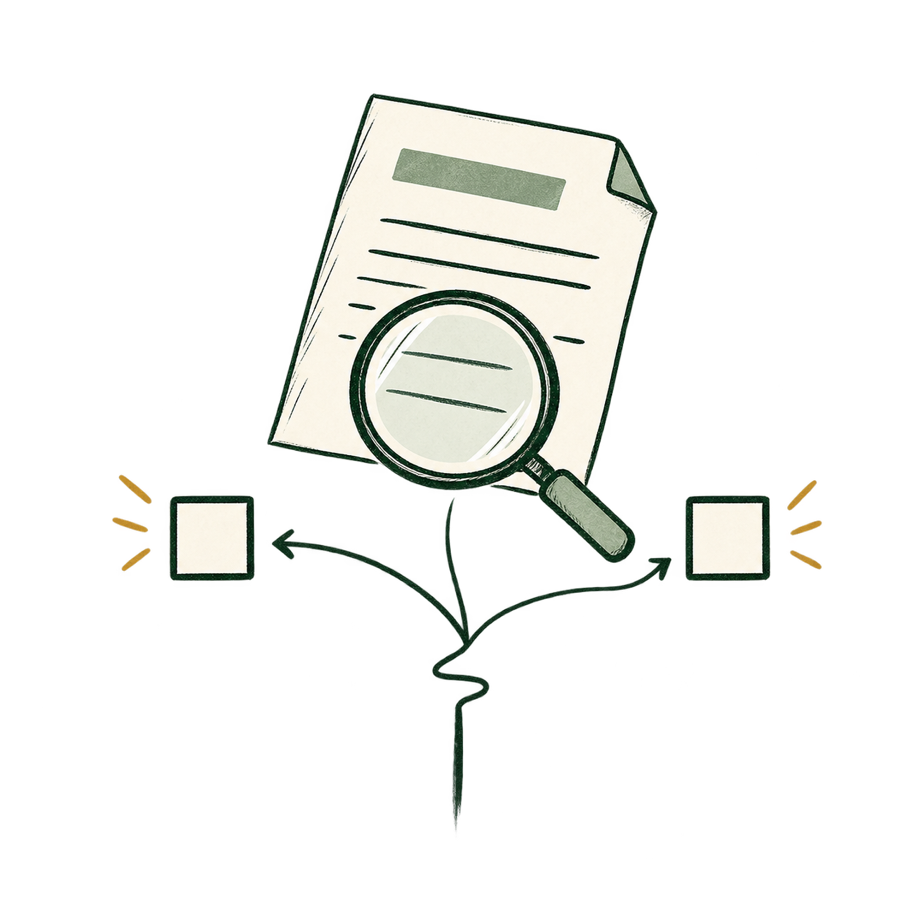
During a UK work visa application, they could not tell from their Certificate of Sponsorship whether their job was on a specified occupation list.

They did not check further. They selected Yes. The correct answer was No.
Simple line drawing of a document, two choices, a magnifying glass and a forked path

02 · What followed

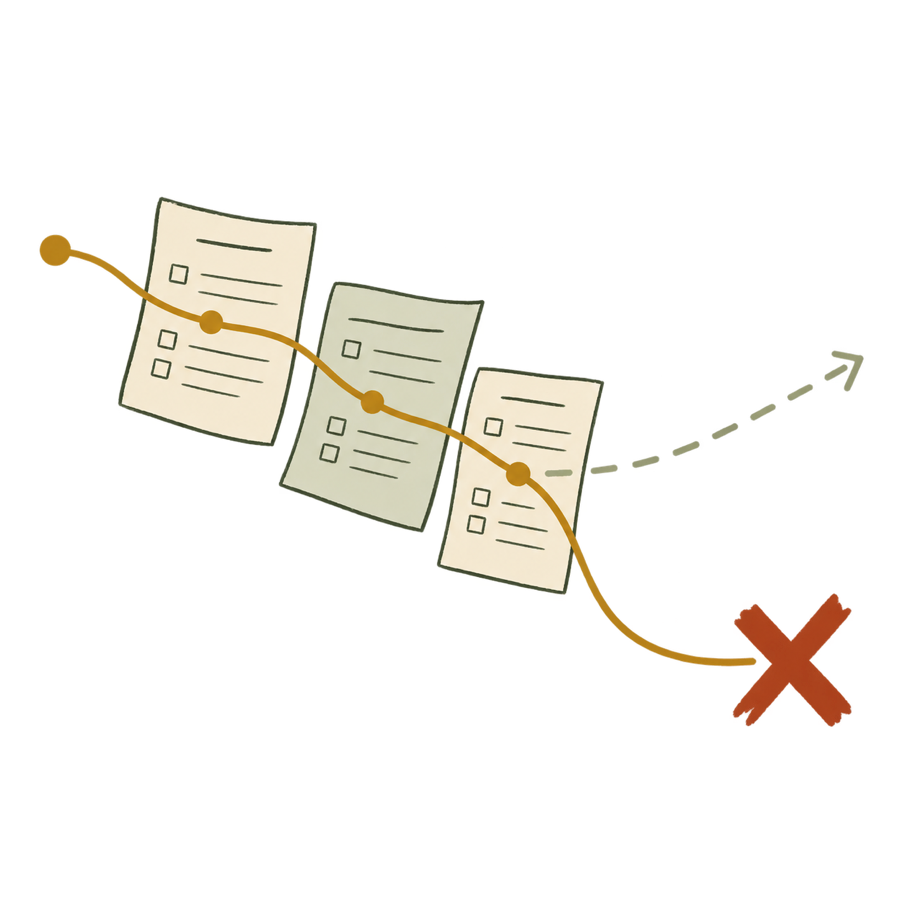
One wrong answer sent the whole application off course.

That Yes led to the wrong application fee. The visa was refused.

Their work, immigration status and plans were suddenly thrown into uncertainty.

Simple line drawing of an application path bending away and ending at an X

03 · The result

Leave, reapply, then pay another £1,000.

The refusal came while they were still in the UK. They had to return home immediately and reapply. They paid another £1,000 for expedited processing, then spent an anxious week waiting for the decision.

Simple line drawing of a suitcase, application papers and a restart arrow

04 · Reflection · Why I built GuideLens

Could they have checked sooner?

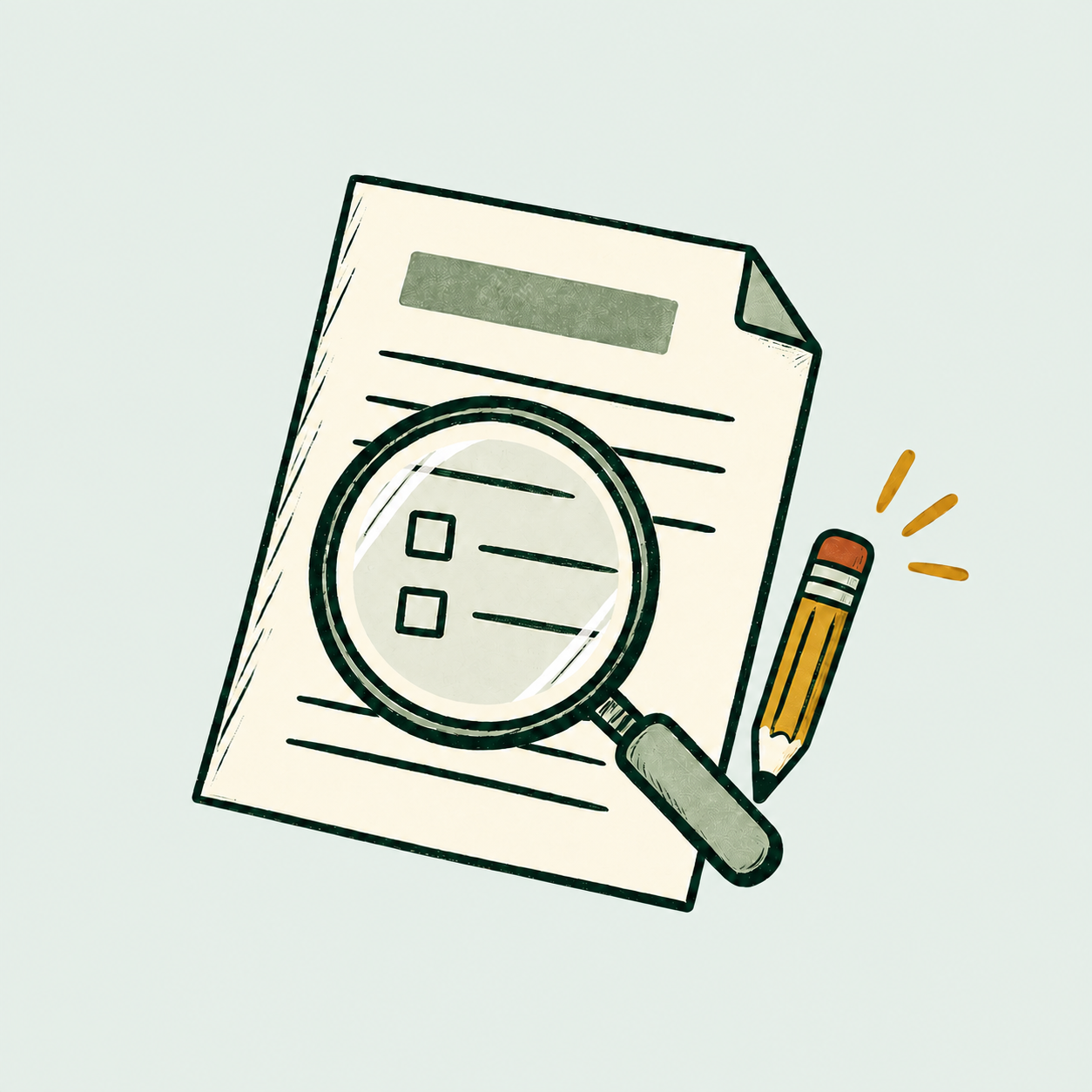
My friend took this seriously. But one Yes or No depended on an occupation list, a sponsorship document and the right fee. The hard part was knowing what the question meant for them.

Important forms often feel like this: you compare documents and web pages, still unsure, yet have to keep going. When the decision arrives, it may be too late to check.

That is one reason I built GuideLens: to put explanations and checks beside the form, before submission. You compare answers with confirmed details and make the final decision.

Hand-drawn application form with two unanswered choices, a magnifying glass and a pencil

A second layer of review

Faster is useful. Better checked matters more.

GuideLens does not promise that every answer is correct. It gives you a structured way to compare, confirm and check important information before you make the final decision.
01

Understand before you answer

Get a clear explanation beside unfamiliar fields, without GuideLens inventing facts or choosing an answer for you.

02

Keep confirmed details consistent

Reuse names, dates, addresses, education and work history you have already reviewed instead of entering different versions across pages.

03

Catch avoidable problems earlier

Surface missing fields, contradictory dates, visible form errors and important answers worth checking while you can still correct them.

A misunderstood Yes or No can change the fee, evidence requirements or how an application is handled. GuideLens helps you understand the question and flags answers that conflict with the information you have confirmed.

Three checks, one applicant

Your information passes through three deliberate checks.

  1. SOURCE01

    Compare

    Useful details are read from the documents and facts you provide.

  2. GUIDELENS02

    Check

    Potential errors, omissions and inconsistencies are surfaced beside the form.

  3. YOU03

    Confirm

    You decide what is accurate, approve any change and submit on the official website.

Understand your next form before filling.

Log in and try →Read product facts →